
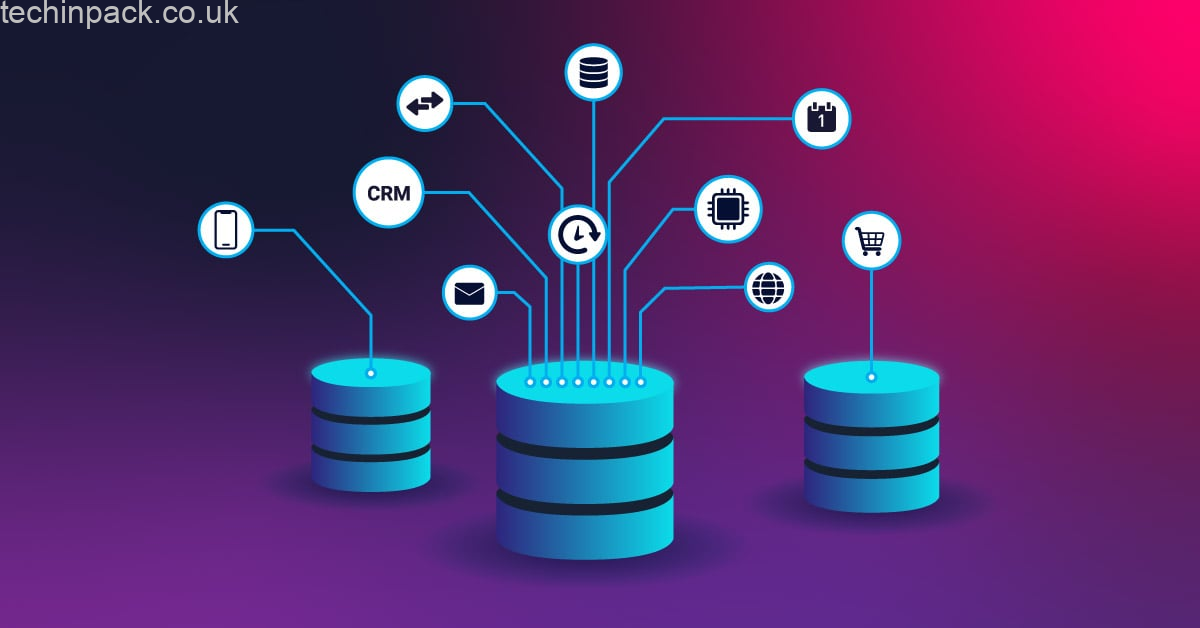
Modern applications generate more data than ever before. From e-commerce platforms and financial services to healthcare systems and Internet of Things (IoT) devices, organisations need databases that can process large volumes of information quickly, securely, and efficiently.
Traditional relational databases provide strong consistency and structured data management, while NoSQL databases offer flexibility and scalability. However, businesses increasingly require a solution that combines both approaches without sacrificing performance. This is where the concept of Sruffer DB enters the discussion.Sruffer DB is often described as a next-generation database architecture that combines elements of relational databases, NoSQL systems, real-time analytics engines, and distributed cloud-native infrastructure.
What Is Sruffer DB
Sruffer DB is a hybrid database architecture designed to manage multiple types of data within a single unified environment. Unlike traditional databases that primarily handle structured information, Sruffer DB supports structured, semi-structured, and unstructured data, making it suitable for diverse modern applications. It is also built to process real-time data streams, analytical workloads, and transactional operations simultaneously, allowing organisations to manage different data requirements without relying on multiple specialised database systems.
By combining the reliability and consistency traditionally associated with SQL databases with the flexibility and scalability of NoSQL solutions, Sruffer DB aims to provide a more efficient, scalable, and adaptable approach to modern data management. This unified architecture helps businesses simplify infrastructure, improve performance, and support data-driven applications in rapidly evolving digital environments.
Why Modern Businesses Need Hybrid Database Architectures
Over the past decade, the data landscape has evolved dramatically as businesses generate and process larger volumes of information than ever before. Modern organisations must manage a wide range of data sources, including customer records, website activity logs, mobile application events, IoT sensor data, machine learning datasets, financial transactions, and real-time analytics streams.
Traditionally, organisations used different database systems to handle these diverse workloads, which increased infrastructure complexity, raised operational costs, and created greater maintenance challenges. Hybrid database architectures such as Sruffer DB address these issues by bringing multiple data management capabilities together within a single ecosystem.This unified approach helps organisations reduce infrastructure complexity, accelerate data processing, improve scalability, enhance real-time analytics capabilities, and lower overall operational overhead, making it easier to manage modern data-driven applications efficiently.
System Architecture of Sruffer DB
One of the most interesting aspects of Sruffer DB is its architectural design.
Distributed Infrastructure
Sruffer DB is built on distributed computing principles, allowing data to be stored across multiple interconnected nodes rather than relying on a single server. This architecture improves system reliability, availability, and scalability by distributing workloads efficiently across the network. As a result, organisations can handle growing volumes of data without experiencing significant performance bottlenecks. Distributed infrastructure also enhances fault tolerance, ensuring that if one node becomes unavailable, redundant nodes can continue processing requests and maintaining system operations with minimal disruption.
Storage Engine Layer
The storage engine layer is responsible for managing how data is stored, organised, and retrieved within Sruffer DB. A modern implementation typically combines persistent disk storage, in-memory caching, and distributed data replication to optimise both speed and reliability. Persistent storage ensures long-term data durability, while in-memory caching accelerates access to frequently used information. Additionally, data replication across multiple nodes helps prevent data loss and supports continuous system availability, creating a balance between performance and resilience.
Query Processing Engine
The query processing engine serves as the core component that handles requests from applications and users. It is responsible for query optimisation, execution planning, data retrieval, and aggregation processing. By intelligently analysing and optimising queries before execution, the engine minimises resource consumption and reduces response times. This efficient processing enables applications to deliver faster results, improve user experiences, and maintain high performance even when handling complex workloads and large datasets.
Buffering and Cache Management
Buffering and cache management play a crucial role in enhancing the performance of Sruffer DB. Incoming data is often processed through temporary memory buffers before being written to permanent storage, allowing the system to handle high-volume data streams more effectively. This approach improves data ingestion speed, supports smoother transaction processing, and enhances real-time analytics capabilities. By reducing direct storage access for frequently requested information, caching mechanisms further improve responsiveness and overall system efficiency.
Smart Indexing
Smart indexing is a key feature that significantly improves database performance by enabling faster data retrieval. Sruffer DB may utilise advanced indexing techniques such as B-tree indexes, hash indexes, distributed indexes, and full-text search indexes to optimise search operations across large datasets. These indexing structures reduce the time required to locate specific records, improve query execution speed, and support efficient data access even in highly distributed environments. As data volumes continue to grow, intelligent indexing becomes essential for maintaining consistent performance and delivering quick results.
Data Consistency and Transaction Handling
One of the biggest challenges in distributed database systems is finding the right balance between data consistency and scalability. Sruffer DB addresses this challenge by combining principles from both ACID and BASE transaction models. ACID, which stands for Atomicity, Consistency, Isolation, and Durability, ensures that transactions are processed reliably and that data remains accurate even in the event of system failures.
These properties are essential for applications that require strong data integrity, such as financial transactions and critical business operations. On the other hand, BASE principles—Basically Available, Soft State, and Eventual Consistency—prioritise system availability and scalability, making them suitable for large-scale distributed environments where rapid data access is more important than immediate consistency.
Key Features of Sruffer DB
- Multi-Model Data Support: Sruffer DB can manage structured, semi-structured, and unstructured data within a single platform, eliminating the need for multiple specialised database systems.
- Real-Time Analytics: The platform enables real-time data processing and analysis, allowing organisations to make faster decisions based on current information rather than relying solely on historical data.
- Horizontal Scalability: Sruffer DB supports horizontal scaling by allowing additional servers or nodes to be added as workloads increase, ensuring consistent performance as data volumes grow.
- Cloud-Native Deployment: Designed for modern environments, Sruffer DB is compatible with cloud infrastructure, containerised applications, and distributed computing architectures.
- High Availability: Through data replication and distributed storage mechanisms, the system maintains continuous operation even during hardware failures or unexpected disruptions.
- Advanced Security Framework: Sruffer DB incorporates multiple security measures to protect sensitive information and maintain data integrity, including encryption, role-based access controls, audit logging, and authentication systems.
- Improved Performance: By combining intelligent caching, distributed processing, and optimised query execution, Sruffer DB can deliver faster response times and efficient data handling.
- Fault Tolerance: The distributed architecture ensures that if one node fails, redundant nodes can continue serving requests, reducing downtime and improving overall reliability.
Performance Analysis
Although official benchmarks for Sruffer DB remain limited, it is widely positioned as a high-performance database architecture designed to meet the demands of modern data-intensive applications. Its hybrid approach combines the strengths of traditional relational systems with the flexibility of distributed database technologies, enabling organisations to handle diverse workloads more efficiently. Potential advantages include faster data ingestion, low-latency query processing, seamless horizontal scaling, and strong support for real-time analytics.
Unlike conventional database environments that often require multiple platforms for different workloads, Sruffer DB aims to unify these capabilities within a single ecosystem. This can significantly reduce the need for data movement between separate systems, improving operational efficiency, lowering infrastructure complexity, and enabling faster access to critical business insights.
Sruffer DB vs Traditional Databases
| Feature / Aspect | PostgreSQL | MongoDB | Sruffer DB (Conceptual) |
| Core Model | Relational database (SQL) | Document-based NoSQL | Hybrid multi-model database |
| Data Handling | Structured data only | Semi-structured and flexible documents | Structured, semi-structured, and unstructured data |
| Consistency | Strong ACID compliance | Eventual consistency (configurable) | Hybrid: ACID + BASE approach |
| Primary Strength | Data integrity and reliability | Flexibility and fast development | Unified data processing system |
| Scalability | Vertical scaling (horizontal requires extra tools) | Strong horizontal scaling | Built-in horizontal + distributed scaling |
| Query Capability | Powerful SQL queries | JSON/document queries | SQL + NoSQL + real-time query support |
| Analytics Support | Limited (requires extensions/tools) | Basic analytics | Built-in real-time analytics + OLAP support |
| Use Case Focus | Traditional applications, finance systems | Web apps, content systems, flexible schemas | Modern apps, AI, IoT, real-time systems |
| Data Architecture | Single-model relational | Document-oriented | Multi-model unified architecture |
| Data Warehousing Role | Requires separate warehouse | Requires external analytics tools | Combines operational + analytical workloads |
Real-World Applications
Modern, data-intensive industries widely use Sruffer DB-style architectures where speed, scalability, and real-time processing are essential.In e-commerce platforms, these systems manage product catalogues, customer profiles, inventory management, and recommendation engines, helping businesses deliver personalised and efficient shopping experiences.
In financial services, they support critical operations such as transaction monitoring, fraud detection, risk analysis, and real-time reporting, where fast and accurate data processing is crucial for security and decision-making. Healthcare systems can also benefit significantly, as they enable the management of electronic health records, medical analytics, research databases, and patient monitoring systems, improving both operational efficiency and clinical outcomes.
Security and Compliance Considerations
Security is a critical priority for modern organisations, and Sruffer DB-style architectures are designed with multiple layers of protection to safeguard sensitive data and ensure system integrity. One of the core security capabilities is data encryption, which protects information both at rest and during transmission, reducing the risk of unauthorised access or data breaches. Role-based access control (RBAC) further enhances security by restricting system access based on user roles and responsibilities, ensuring that only authorised personnel can view or modify specific data. Audit logging is another essential feature, as it records all system activities for monitoring, compliance, and forensic analysis, helping organisations maintain transparency and accountability.
Limitations of Sruffer DB
- Limited Public Information: Sruffer DB lacks extensive technical documentation, making it difficult for developers and organisations to fully evaluate its implementation, architecture, and real-world performance.
- Ecosystem Maturity: As an emerging database concept, it does not yet offer the same level of mature tools, integrations, and developer utilities found in established database systems.
- Community Support: Smaller or developing ecosystems typically have limited community resources, which can make troubleshooting, learning, and problem-solving more challenging.
- Enterprise Validation: Large organisations require proven reliability, extensive testing, and long-term production evidence before adopting new database technologies at scale.
When Should You Use Sruffer DB?
Sruffer DB may be suitable in scenarios where real-time analytics are a critical requirement, allowing organisations to process and analyse data instantly for faster decision-making. It is also effective when multiple data types need to be managed together within a single system, reducing the need for separate specialised databases.
In addition, its architecture is well-suited for environments where scalability is a primary concern, as it can handle increasing workloads by expanding across distributed nodes. Furthermore, Sruffer DB aligns well with cloud-native infrastructure, making it a strong choice for modern applications deployed in cloud and containerised environments that require flexibility, performance, and continuous availability.
When Should You Avoid Sruffer DB?
Alternative solutions may be better when:
- Strict regulatory requirements exist
- Long-term production stability is critical
- Extensive vendor support is required
- Existing systems already meet business needs
Future of Sruffer DB
The database industry is evolving rapidly, driven by the increasing demand for faster, more intelligent, and more scalable data systems. Several emerging trends closely align with the concepts associated with Sruffer DB-style architectures.
One major trend is artificial intelligence integration, where future databases are expected to support AI-driven optimisation, automated query tuning, and machine learning workloads directly within the database layer. Another important development is vector search capabilities, which are becoming essential as AI applications grow, particularly in areas like semantic search, recommendation systems, and retrieval-augmented generation (RAG). In addition, edge computing is gaining importance by enabling data processing closer to users and devices, which significantly reduces latency and improves real-time responsiveness.
Final Thoughts
Sruffer DB represents an emerging vision of modern database architecture that combines scalability, flexibility, analytics, and distributed computing principles.
Although organisations do not currently recognise it as a universally established enterprise database platform, it highlights many innovations that are shaping the future of data management. Developers, architects, and technology leaders can study the concepts behind Sruffer DB to gain valuable insight into where database technology is heading and how organisations can prepare for increasingly data-driven environments.
FAQs
Is Sruffer DB a real database technology or an emerging concept?
Sruffer DB is generally discussed as an emerging database architecture concept rather than a widely established enterprise product.
What problem does Sruffer DB solve?
It aims to combine scalability, flexibility, transactional reliability, and analytics capabilities within a unified system.
Can Sruffer DB support both transactional and analytical workloads?
Yes. The concept aligns with Hybrid Transactional and Analytical Processing (HTAP) principles.
How does Sruffer DB compare to PostgreSQL?
PostgreSQL focuses primarily on relational workloads, while Sruffer DB is positioned as a broader hybrid architecture.
Is Sruffer DB suitable for AI applications?
Potentially yes. Hybrid database architectures are increasingly relevant for AI, machine learning, and real-time analytics environments.
Can Sruffer DB scale for enterprise environments?
Its architectural principles support scalability, although production maturity depends on implementation.