
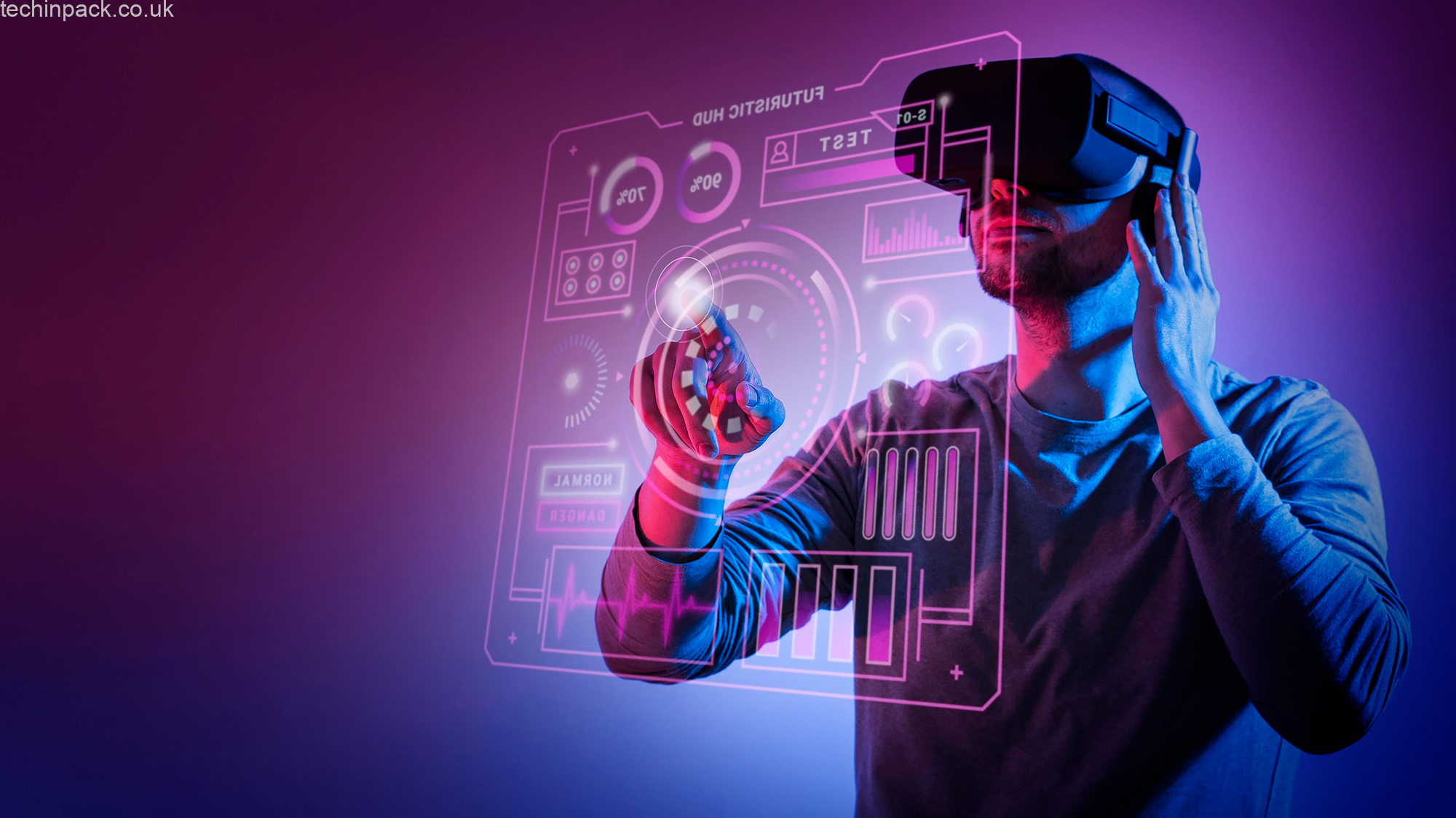
As digital experiences become more immersive and interactive, new concepts continue to emerge that challenge traditional ways of engaging with content. One such term attracting attention is Spaietacle.
Although the term is still developing and lacks a universally accepted definition, many experts and digital publications associate Spaietacle with immersive experiences, creative storytelling, interactive environments, and technology-driven engagement. It represents a shift away from passive content consumption toward active participation and memorable digital experiences.
What Is Spaietacle?
Spaietacle is an emerging concept that blends creativity, technology, interaction, and visual engagement to create immersive and memorable experiences. Often interpreted as a combination of “space” and “spectacle,” it focuses on transforming ordinary digital or physical environments into interactive spaces where users actively participate rather than simply consume content.
Unlike traditional media, which relies on passive viewing, Spaietacle encourages engagement, emotional connection, and personalised experiences. The concept incorporates innovative elements such as interactive digital environments, AI-powered experiences, immersive storytelling, virtual and augmented reality applications, experiential marketing campaigns, and hybrid physical-digital interactions. As technology continues to evolve, Spaietacle is becoming an important approach for businesses, creators, and organisations seeking to deliver deeper audience engagement and more impactful experiences.
Why Is Spaietacle Becoming Popular?
Several factors contribute to the growing interest in Spaietacle, including the rising demand for immersive experiences where audiences prefer interactive and emotionally engaging content over passive information consumption. At the same time, advances in artificial intelligence have made it possible to create personalised and adaptive environments that respond to individual user behaviour in real time, significantly enhancing engagement.
The rapid growth of virtual and augmented reality technologies has further expanded opportunities for creators and businesses to build highly interactive and visually rich experiences that feel more realistic and impactful. In addition, the evolution of digital marketing has shifted brand strategies towards experience-driven approaches, where companies focus on building long-term customer relationships through memorable, story-based, and immersive interactions rather than relying solely on traditional advertising methods.
Key Characteristics of Spaietacle
- Immersion: Users become active participants rather than passive observers.
- Interactivity: Experiences respond to user actions, decisions, and preferences.
- Storytelling: Narratives are integrated into the experience to create emotional engagement.
- Technology Integration: AI, AR, VR, spatial computing, and other technologies enhance the experience.
- Personalisation: Content adapts to individual users in real time.
How Does Spaietacle Work?
Spaietacle combines multiple elements to create highly engaging and immersive experiences by integrating user interaction, digital storytelling, intelligent technology, visual design, real-time adaptation, and emotional engagement into a single unified system. These components work together seamlessly to transform ordinary digital interactions into more meaningful and memorable experiences, where users are not just passive viewers but active participants in a dynamic and responsive environment.
This approach helps increase user engagement and strengthens emotional connection with the experience. Over time, it also enables creators and brands to deliver more personalised and impactful digital journeys.
Technologies Behind Spaietacle
Spaietacle is supported by several advanced technologies that work together to create immersive and interactive experiences. Artificial intelligence plays a key role by personalising content, analysing user behaviour, and enabling adaptive environments that respond in real time. Virtual reality enhances immersion by placing users inside fully digital environments, while augmented reality overlays digital content onto the physical world to create interactive and enhanced real-world experiences.
Spatial computing further extends this by allowing digital elements to interact seamlessly with physical spaces, making experiences more natural and responsive. In addition, interactive media systems ensure that content dynamically reacts to user actions and inputs, resulting in a more engaging, responsive, and personalised experience overall.
Spaietacle vs Traditional Digital Experiences
| Traditional Experiences | Spaietacle Experiences |
| Passive consumption | Active participation |
| Static content | Dynamic content |
| Limited engagement | High engagement |
| Generic interactions | Personalised experiences |
| One-way communication | Interactive communication |
Spaietacle vs Virtual Reality
While virtual reality focuses primarily on creating simulated digital worlds, Spaietacle focuses on the overall experience. Virtual reality can be one tool used within a Spaietacle experience, but Spaietacle itself is broader and may include physical spaces, AI systems, storytelling, and audience interaction.
It is not limited to headset-based environments and can exist in real-world installations, events, or hybrid formats. Spaietacle emphasises emotional engagement and narrative flow, whereas VR mainly focuses on visual immersion and simulation. In this sense, Spaietacle integrates multiple technologies to create a complete sensory and interactive journey
Spaietacle vs the Metaverse
The Metaverse refers to interconnected virtual environments where users interact through digital identities. Spaietacle focuses more on experience design and immersive engagement, regardless of whether the experience occurs in physical spaces, digital environments, or hybrid settings.
Unlike the Metaverse, which aims to build a persistent shared virtual universe, Spaietacle is experience-specific and can be temporary or event-based. It prioritises storytelling, emotional impact, and real-world interaction rather than continuous digital existence. Additionally, Spaietacle can exist outside of a fully digital ecosystem, making it more flexible and adaptable across different industries and use cases.
Real World Applications of Spaietacle
Spaietacle has a wide range of applications across multiple industries, transforming how people learn, experience, and interact with content. In education, it enables interactive learning environments that improve engagement and knowledge retention by making lessons more immersive and participatory. In entertainment, it enhances immersive performances, digital exhibitions, and interactive storytelling experiences that captivate audiences on a deeper emotional level.
For marketing, Spaietacle allows brands to create memorable campaigns that encourage participation and build stronger emotional connections with customers. In tourism, it supports virtual tours and enriched destination experiences that help users explore places in more engaging ways. Within gaming, it delivers more immersive gameplay through adaptive environments that respond to player actions.
Benefits of Spaietacle
- Increased Engagement: Users spend more time interacting with immersive experiences.
- Stronger Emotional Connections: Interactive storytelling creates deeper audience relationships.
- Enhanced Learning: Immersive environments often improve understanding and retention.
- Better Customer Experiences: Businesses create more meaningful and personalised interactions with customers.
- Greater Innovation: Spaietacle encourages experimentation and creative thinking across industries.
Future of Spaietacle
As technology evolves, Spaietacle is expected to become increasingly influential across a wide range of industries by reshaping how people experience both digital and physical environments. Future developments may include AI-powered adaptive environments that adjust in real time based on user behaviour, as well as mixed reality experiences that seamlessly blend physical and virtual worlds.
It may also lead to the creation of intelligent public spaces that respond dynamically to human presence and activity, along with personalised digital ecosystems tailored to individual preferences and needs.
Why Spaietacle Matters in the Digital Age
The digital world is moving toward greater interaction, personalisation, and immersion. Spaietacle represents this shift by focusing on experiences that engage users emotionally, intellectually, and socially.
Rather than simply delivering information, Spaietacle aims to create meaningful experiences that leave lasting impressions.
Challenges and Limitations
Despite its potential, Spaietacle faces several challenges:
- High development costs
- Technical complexity
- User adoption barriers
- Privacy concerns
- Accessibility limitations
- Infrastructure requirements
Addressing these challenges will be essential for broader adoption.
FAQs
Is Spaietacle a real concept?
Yes. While definitions vary, Spaietacle is increasingly used to describe immersive and interactive experiences that combine technology, storytelling, and engagement.
Who created Spaietacle?
There is currently no universally recognised creator associated with the term.
Is Spaietacle related to artificial intelligence?
Yes. AI can enhance Spaietacle experiences through personalisation, automation, and adaptive content.
Is Spaietacle the same as virtual reality?
No. Virtual reality is a technology, while Spaietacle is a broader experience-focused concept.
Can businesses use Spaietacle?
Yes. Marketing, retail, education, entertainment, and tourism industries can all benefit from immersive experience strategies.
Why is Spaietacle gaining attention?
The growing demand for interactive and engaging digital experiences has increased interest in concepts like Spaietacle.
Conclusion
Spaietacle represents an emerging approach to immersive experiences that combines technology, creativity, interaction, and storytelling. Although its definition continues to evolve, the concept aligns closely with major technological trends shaping the future of digital engagement.
As artificial intelligence, augmented reality, virtual reality, and spatial computing continue to advance, Spaietacle may play an increasingly important role in how individuals, businesses, and organisations create meaningful and memorable experiences.